Across Europe and the US, millions of children are walking back into classrooms this month — some excited, some nervous, most a little rusty. The first weeks of a school year do a quiet but important job: they decide the habits, confidence, and pace a child carries into the rest of the year. A good learning app won't do that job for you, but the right one makes it noticeably easier.
This guide is about the September part of the job: routine and readiness, not another ranking of apps. It covers what actually changes for kids in September, how to pick an app that helps instead of distracts, and a realistic routine that survives contact with real family life. And because parents aren't the only ones starting a new year: there's a section for teachers and homeschooling families at the end.
Comparing apps instead? Start with our guide to the best learning apps for kids →
Why the first month of school matters more than the last
After six weeks or more away from daily practice, most children come back with two kinds of rust: skills rust (math facts that were instant in June now take a beat; reading fluency drops a level) and routine rust (sitting down to focused work feels harder than it did). Neither is a crisis. Both respond quickly to short, regular practice — the research on learning consistently favours frequency over duration, especially for ages 4–12.
The trap to avoid is the September panic: two-hour weekend catch-up marathons that turn learning into a punishment. Ten to fifteen focused minutes a day, started in the first week of school, rebuilds both kinds of rust within a month — and does it without a single argument about worksheets.
What to look for in a back-to-school app
The apps that help in September share four traits. First, they adapt: after a summer away, your child is not exactly where the curriculum left them, and an app that reads their current level beats one that starts at chapter one. Second, they're ad-free and calm — the last thing a September evening needs is a slot-machine reward loop. Third, they cover the subjects school actually cares about: reading, writing, math, not just one niche. Fourth, sessions are short by design, so "one more exercise" ends after minutes, not hours.
Just as important is what to skip: apps that shame your child for missed streak days (life happens), apps where the free tier is an ad funnel, and apps that need a parent hovering to work. If your child can't run a session alone by the second week, the app is adding work to your evening instead of removing it.
A back-to-school routine that actually survives
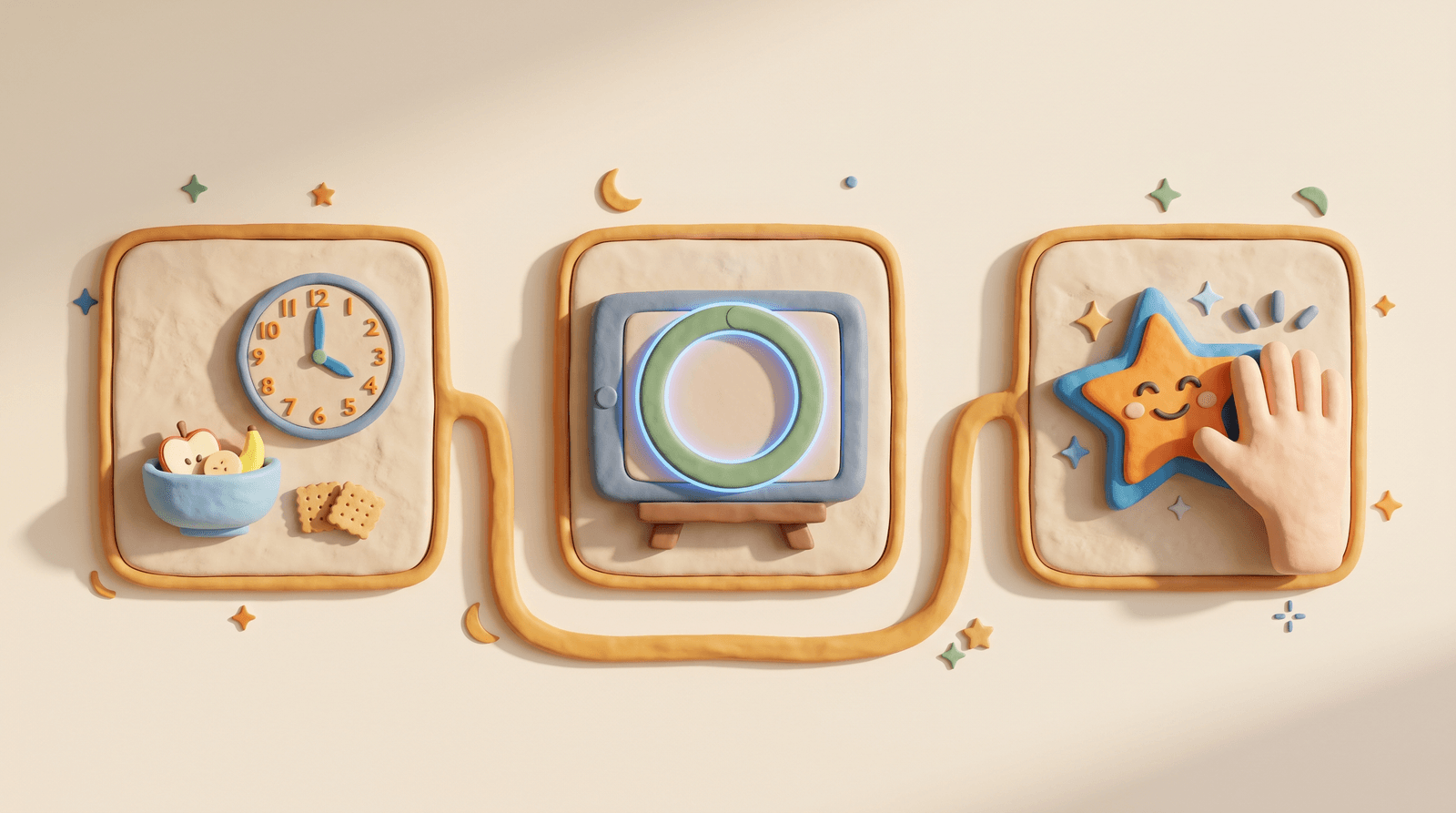
The routine that works for most families is boring on purpose: a fixed slot (right after the after-school snack is the classic), a fixed length (10–15 minutes), and the child choosing which subject to practise inside that slot. The fixed part builds the habit; the choice part keeps ownership with the child. Weekend sessions are optional bonuses, not obligations.
For the first two weeks, sit nearby but don't drive. You want the app, not you, to be the one asking questions — your job is to be interested in what they did afterwards. "Show me the hardest one you got right" is worth more than any progress chart, though the progress chart helps you quietly spot where the summer left gaps.
Where Samio fits in September
Samio Learning was built for exactly this moment: its adaptive engine reads what your child actually remembers — not what the curriculum says they should — and adjusts every exercise in real time, per skill. A child who kept reading all summer but dropped math practice gets harder reading and gentler math, automatically, with no level-picking by parents. Reading, writing, math, time-telling, science, physics and logic puzzles live in one app, in 7 languages, with no ads and no data collected from children.
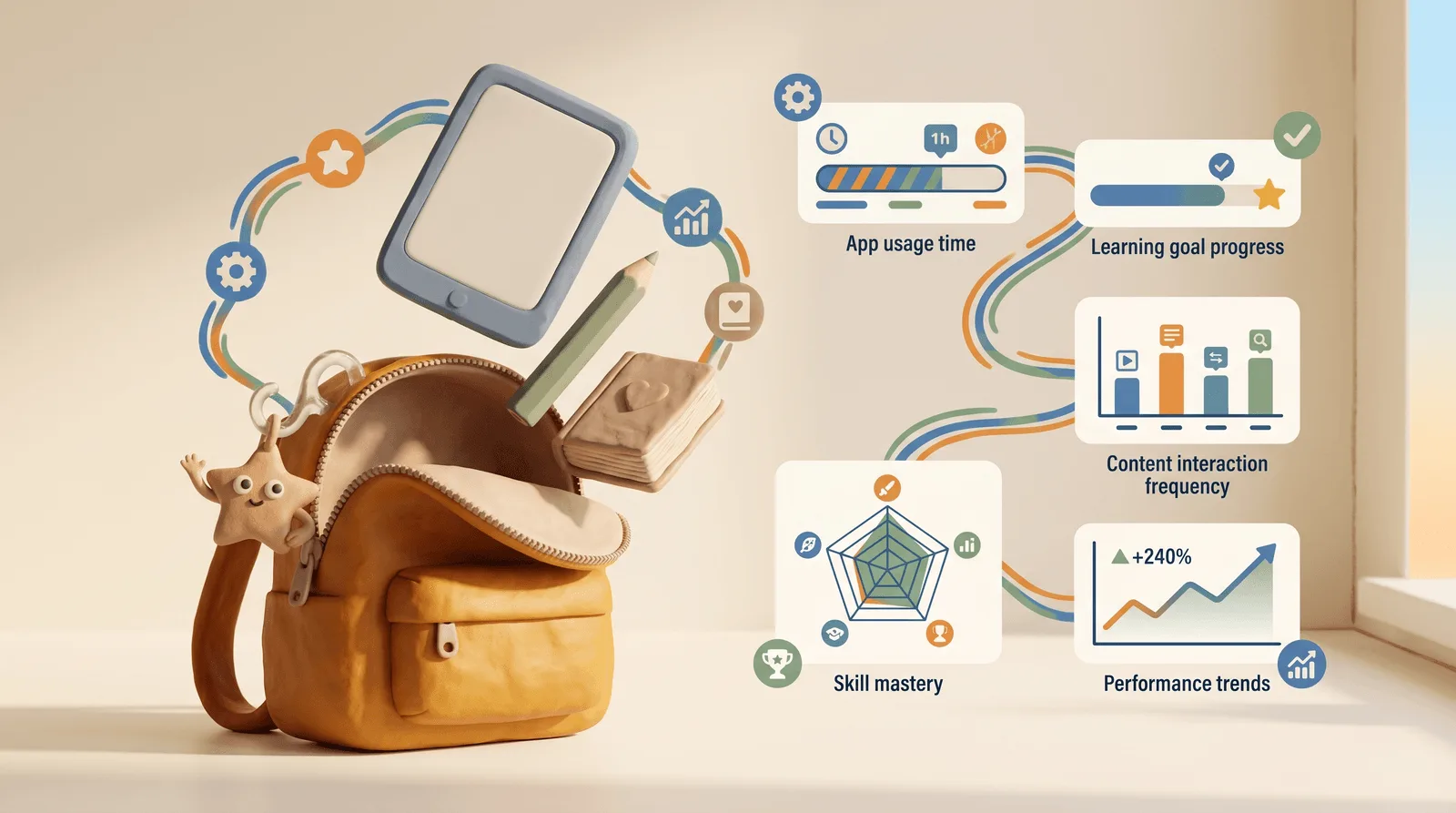
Sessions are short and self-contained by design, and the parent dashboard shows exactly which skills recovered over the first weeks and which need a little longer — so the September gaps close before the October tests arrive.
For teachers and homeschooling families
If you're setting up a classroom rather than a kitchen table: Samio for Schools wraps the same learning engine in a teacher platform — AI lesson plans grounded in your country's official curriculum, real-time class analytics that surface post-summer gaps in the first week, custom challenges, and LMS integration (Google Classroom and LTI 1.3) in about ten minutes. Every plan starts with a 14-day free trial.
Homeschooling families get the same tools scaled down: the Homeschool plan ($4.99/month, up to 10 students) includes the analytics dashboard and the full exercise library, so you can run a real September baseline at the kitchen table too.
Frequently asked questions
How do I get my child back into a learning routine after summer?
Start small and fixed: 10–15 minutes at the same time each day, beginning in the first week of school. Let your child choose the subject inside that slot so the habit is yours but the ownership is theirs. Expect the first week to be creaky — routine rust is normal and clears within days when practice is short and daily.
Should learning apps be part of the school-year routine, or only for catch-up?
Both, but routine is where they earn their keep. Used 10–15 minutes daily, a good adaptive app keeps skills warm so gaps never build up in the first place. Catch-up bursts work too, but they're a repair; the daily routine is the maintenance that makes repairs rare.
Can an app replace tutoring for catching up after summer?
For most children, the September gap is practice-shaped, not understanding-shaped — skills got rusty, concepts didn't disappear. Short daily adaptive practice closes that kind of gap well. A human tutor becomes worth it when a child is confused by a concept, not just slow at it, or when confidence has taken real damage.
Is there a version of Samio for teachers or homeschoolers?
Yes. Samio for Schools gives teachers AI lesson planning grounded in national curricula, real-time class analytics, and LMS integration — and the Homeschool plan ($4.99/month, up to 10 students) brings the same dashboard to homeschooling families. Both start with a 14-day free trial at samiolearning.com/schools.